

Custom software development.
B2B ordering platforms, customer portals, internal tools and the integrations between them — modelled on the rules your business actually runs on, and owned by you from the first commit.
- Best for
- Rules no platform can hold
- Engagement
- Fixed-scope project
- Delivery steps
- 6
What is custom software development?
Custom software development is the design and engineering of a system built for one organisation — an ordering platform, a customer portal, an internal tool — instead of configured out of an existing product. Coder71 builds them on Laravel, Node.js and PostgreSQL, and hands over the repository, the schema and the infrastructure.
These systems are designed around the organisation's specific processes, data and integrations. That means the architecture, workflows and functionality can be shaped around how the business actually operates, rather than forcing those requirements into the limits of an existing product.
Custom is the expensive answer, so it should be the second one you consider. We open most of these conversations by trying to talk clients out of them, because a rule that Shopify, an off-the-shelf ERP or a configured SaaS product can already express does not need a bespoke system built to hold it.
When custom software is genuinely the right call
It is the right call when the rules are the product — when what makes the business work is precisely what no product lets you configure.
- Contract pricing per account, with tiers, volume breaks and negotiated exceptions that differ by customer.
- Approval chains, where an order or a change has to pass through named people in a defined order and the trail matters afterwards.
- Split deliveries and partial fulfilment, where one order becomes several shipments across dates, warehouses or vendors.
- Weight-adjusted or measure-adjusted invoicing, where the customer is charged on what was picked rather than what was ordered.
- Entitlements and licensing, where what a customer may access is a calculation rather than a purchase.
Here is the test we actually use. If the workaround has a full-time employee attached to it — someone whose job is reconciling the spreadsheet with the system — then the workaround is already the more expensive option, and it is getting more expensive as you grow. If it does not, keep the workaround a while longer.
Build, buy, or configure?
Most operations end up with a mix, and the useful question is which parts belong where.
| Option | Fits when | Fails when |
|---|---|---|
| Buy an off-the-shelf product | Your process resembles the industry standard and you can adapt to it | You start paying people to bridge the gap between the product and reality |
| Configure a platform | The rules fit inside the platform's extension points | The workaround becomes load-bearing and nobody dares change it |
| Build custom | The rules are your competitive advantage, or no product expresses them | You build what you could have bought, and now maintain it forever |
What we build
B2B ordering platforms
Account-based catalogues, contract pricing, credit limits, quotes, standing orders and reorder flows — with an internal order-entry mode so the sales team can place an order on a customer's behalf. The Servana platform is one of these: 82% of order volume moved off WhatsApp within two quarters.
Customer and partner portals
Self-service for the things that currently arrive as email: order history, documents, returns, claims, account management, reporting. Usually the fastest measurable win, because every request the portal answers is one your team no longer handles by hand.
Internal tools and operations systems
Warehouse and picking flows, allocation, scheduling, pricing administration, approval workflows. Unglamorous, and frequently the highest-return software a company builds.
Integration layers
The connective work between an ERP, an accounting system, a logistics provider, a payment gateway and a storefront — with retries, idempotency and reconciliation, so a failed message is visible and recoverable rather than silently lost.
Modelled before it is built
Discovery ends with a written domain model: the entities, the rules, and — the part most specifications skip — the exceptions. Every custom system we have inherited from another team failed in the same place, which is the case somebody decided was too rare to write down. The rare case is not rare. It is just infrequent, and it is usually the one with money attached.
The model is written in your language, not ours, and it is reviewed by the people who do the work rather than only by the people who commissioned it. That review is where most of the value of discovery actually appears, because it is the first time the rules have all been in one document.
How it is built
Laravel or Node.js over PostgreSQL, deployed to infrastructure you control. Roles, permissions and an audit trail from the start rather than added later. Automated tests over the rules that carry money, because those are the ones nobody wants to verify by hand at two in the morning. Delivery is incremental against a staging environment you can open at any point, so the first time you see the system is not at handover.
Security is treated as scope rather than as a phase: authentication, authorisation, input validation, encrypted secrets, dependency monitoring, and a threat model that matches what the system actually holds.
Yours, including the parts that are inconvenient for us
You own the repository, the database schema and the hosting from the first commit. Architecture decision records, runbooks and a test suite ship with the software, and handover includes sessions with the people who will operate it. There is no licence that turns into leverage at renewal.
We would rather keep a retainer because the work is good than because leaving is difficult. In practice most clients do keep one — but the arrangement should be a choice, and it is only a choice if the documentation is real.
Who this is for
Wholesalers and distributors whose ordering runs on email and spreadsheets. Manufacturers with configure-to-order products. Retailers with fulfilment models no storefront supports. Service businesses whose scheduling or entitlement rules are the business. Companies replacing a system that was custom-built a decade ago by someone who has since left. If you also need a storefront in front of it, that is ecommerce development, and the two are usually scoped together.
What it costs, and how long it takes
Both fall out of discovery, which is why we will not quote either before it. The variables that move a custom project are the number of distinct business rules, the number of systems it must integrate with, how much data has to be migrated and cleaned, and how many people need distinct roles inside it.
The first conversation is free and it is a scoping conversation, not a pitch. If we think you should configure something off the shelf instead, we will say so on that call. Discuss your project.
What you actually get.
Modelled on your operation
Contract pricing, approval chains, split deliveries — the rules no platform lets you express become the core of the system instead of a workaround around it.
Yours from day one
You own the repository, the schema and the infrastructure. No licence that turns into leverage at renewal.
Documented for the next team
Architecture decisions, runbooks and tests live in the repository, because whoever inherits this will not be able to ask us.
Integrations that fail loudly
Retries, idempotency and reconciliation on every connection, so a dropped message surfaces immediately instead of as numbers that disagree a month later.
Talked out of it where we can
We open these conversations by testing whether a configured product would do the job. Custom is the expensive answer and should be the second one considered.
Included in every build.
- Discovery and domain modellingThe rules, edge cases and exceptions written down before anything is built.
- Platform engineeringLaravel or Node.js over PostgreSQL, deployed on infrastructure you control.
- IntegrationsERP, accounting, logistics and payments, with retries and reconciliation.
- Roles and approvalsPermissions, sign-off chains and an audit trail over every change.
- ReportingThe numbers the operation runs on, queryable rather than exported.
- Handover and trainingDocumentation, runbooks and sessions with the team who will run it.
Discovery to launch, step by step.
How long it runs depends on your catalogue, integrations and how much has to be migrated. You get a schedule with the proposal, after discovery — not before it.
Qualify
The first conversation tests whether you need custom software at all. If an off-the-shelf product would do, we say so. Free, and genuinely a scoping conversation rather than a pitch.
Model the domain
Discovery ends with a written model: the entities, the rules and — the part most specifications skip — the exceptions. Reviewed by the people who do the work, not only those who commissioned it.
Architect
Data model, integrations, roles and permissions, hosting and the security boundary, agreed before implementation starts. Recorded as decisions in the repository you own.
Build in increments
Working software against a staging environment you can open at any point, with automated tests over the rules that carry money. You see the system throughout rather than at handover.
Integrate and migrate
ERP, accounting, logistics and payments connected with retries and reconciliation, and legacy data moved and cleaned. A failed message is visible and recoverable, never silently lost.
Hand over and support
Runbooks, documentation and training with the people who will operate it, then ongoing support at whatever level you want. Structured so that staying with us is a choice.
- Laravel
- Node.js
- PostgreSQL
- Redis
Recent work in this service.
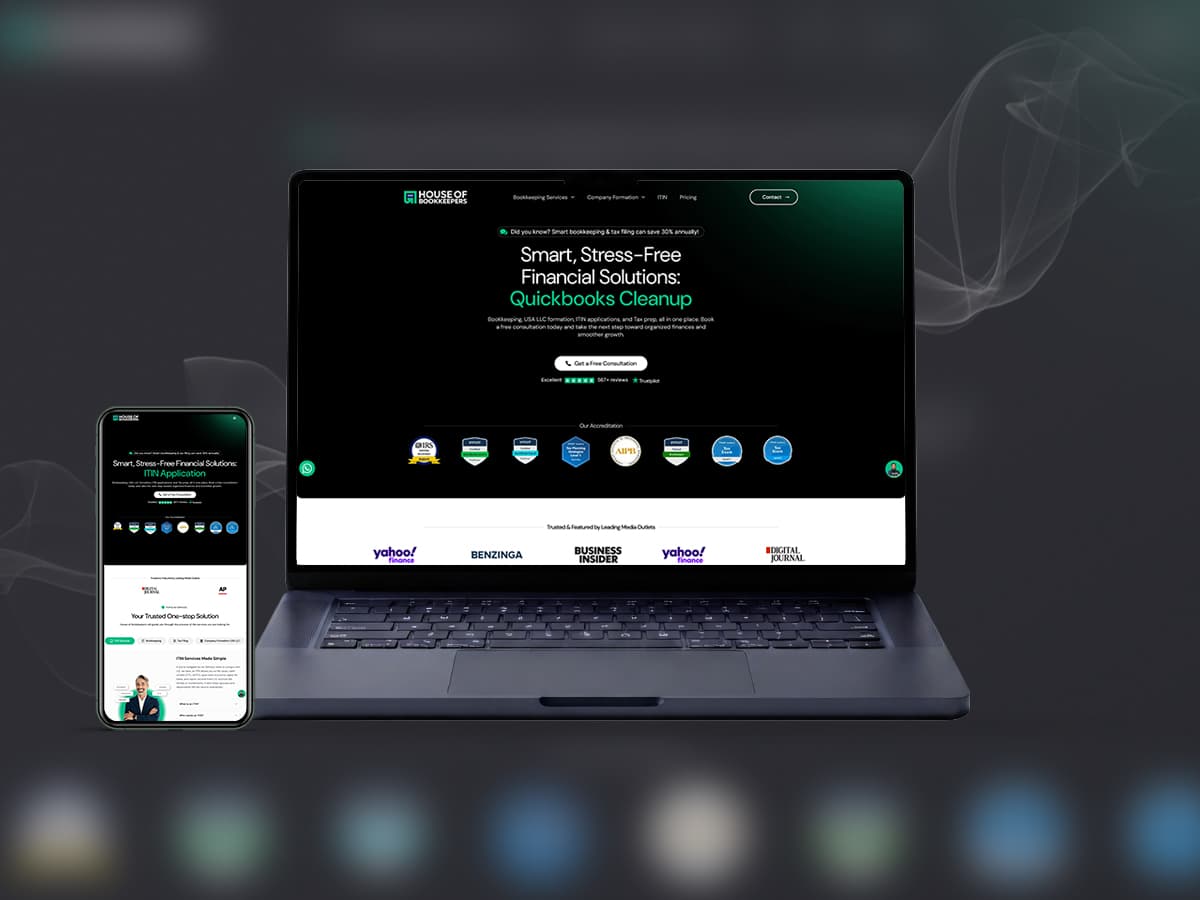
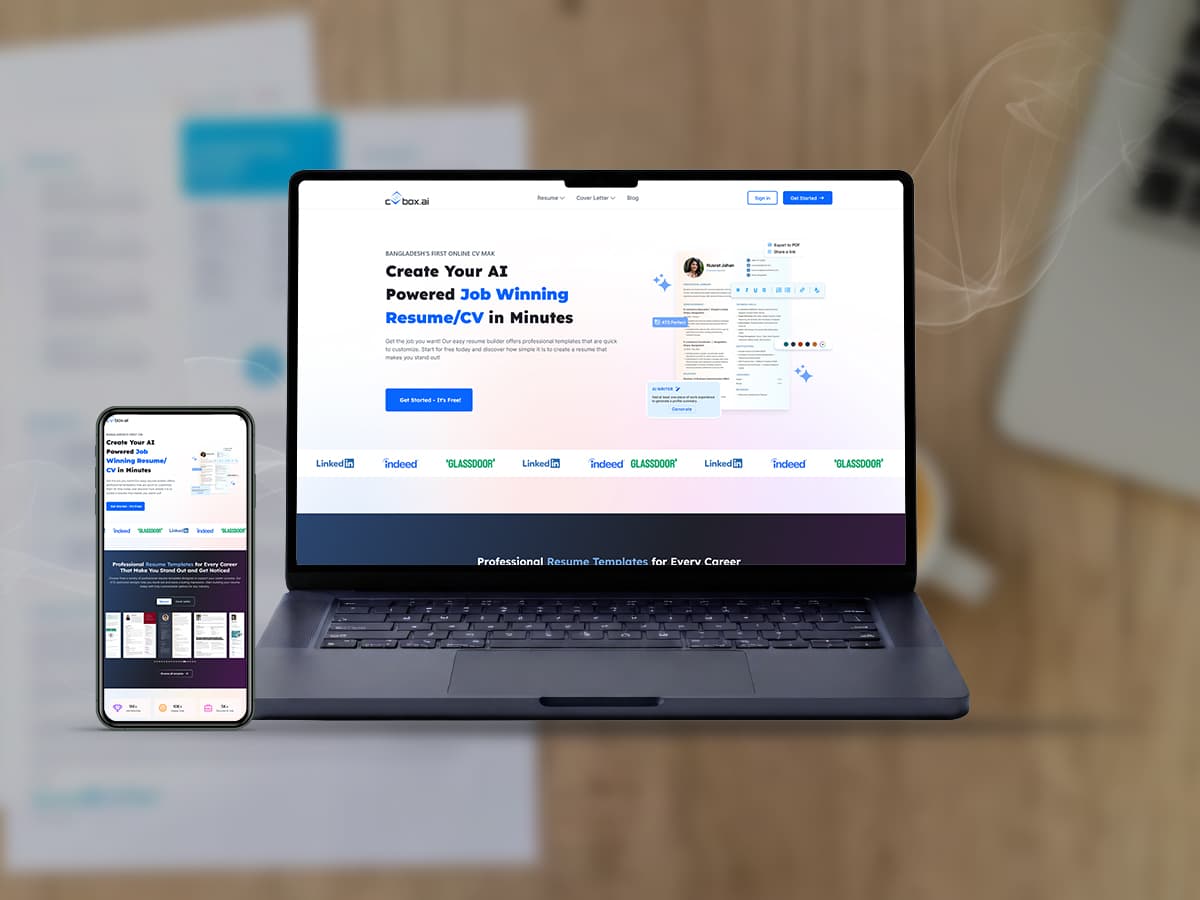
What clients say about working with us.
“Quote on Monday, kickoff the next week, launch on the date they named. That's rare.”
Custom software development — asked and answered.
When the rules are the product — contract pricing per account, approval chains, split deliveries, weight-adjusted invoicing, entitlement models — and no product lets you configure them.
The practical test we use: if the workaround has a full-time employee attached to it, someone whose job is reconciling a spreadsheet with a system, then the workaround is already the more expensive option and it gets worse as you grow. If it does not, keep the workaround a while longer.
Send a brief, get a real answer.
One paragraph is enough. A senior engineer replies within one business day with scope, risks and a timeline — not a sales call.
- A reply within one business day, from an engineer rather than an account manager.
- Scope, risks and an honest timeline — including the parts we would push back on.
- No obligation and no sales call. If we are not the right fit we will say so.
Services that pair with this.
Custom e-commerce website development
Main serviceStores built as software rather than configured from a template: Next.js or Vue.js on the front, Node.js or Laravel behind it, and a catalogue model that matches how you actually trade.
Build your store
Mobile apps development
iOS and Android from a single codebase, connected to the catalogue, pricing and orders you already run.
Build your app
IT staff augmentation
Senior ecommerce, backend and mobile engineers embedded in your team, on your process and overlapping your business hours.
Add engineers
Tell us the goal. We’ll scope the work.
New website, a rebuild, Shopify, a mobile app, custom software or SEO — one paragraph is enough. You get scope, risks and a timeline back within one business day, from the engineer who would build it.